The genre of true crime has gained popularity over the last decade alone with the creation of various productions relating to the genre. Whether you view true crime through reading books or articles pertaining to it, watching a movie or series about it, or listening to a podcast that discusses it, you get to learn new things about true crime and various cases that you may not have known before. People’s obsession with true crime can come from a multitude of reasons. For starters, many people become interested in the genre because it’s fascinating for us to see how these type of people’s minds work and the overall battle of good vs. evil. For many people, it sparks the thought of whether or not you could be that dark-minded and if you could carry out the same actions as these murderers as well. It’s also intriguing for people to watch or read about these cases and solve it themselves and then watch or read until the end to see if they solved it correctly or not. While the majority of people enjoy to watch true crime, reading about true crime can give off the same effect as well. Before taking this class, I had honestly never read about true crime and barely even watched it, but now I have a newfound appreciation for reading this genre. There were cases I had never even heard of before that I got to read about in this class, my favorite one being the one discussed and analyzed in I’ll Be Gone in the Dark. The author, Michelle McNamara, set up this book to where the readers were constantly on their toes waiting to receive new information to help solve this mystery. She includes a narrative as well within the book which gives a different spin on the case overall and makes the book even more enticing to read. Reading about true crime is vastly different from watching it, but the main takeaway I had from reading true crime was the sense of imagery that you create. True crime may be the most descriptive genre to exist, and with the descriptions given you can almost create images of what you’re reading about in your mind to set the scene. Due to these reasons, true crime has grown into being one of the most popular genres to exist and there are many more productions being made today to create an even bigger sense of satisfaction for viewers, and in doing so the genre will only become more popular as time goes on.
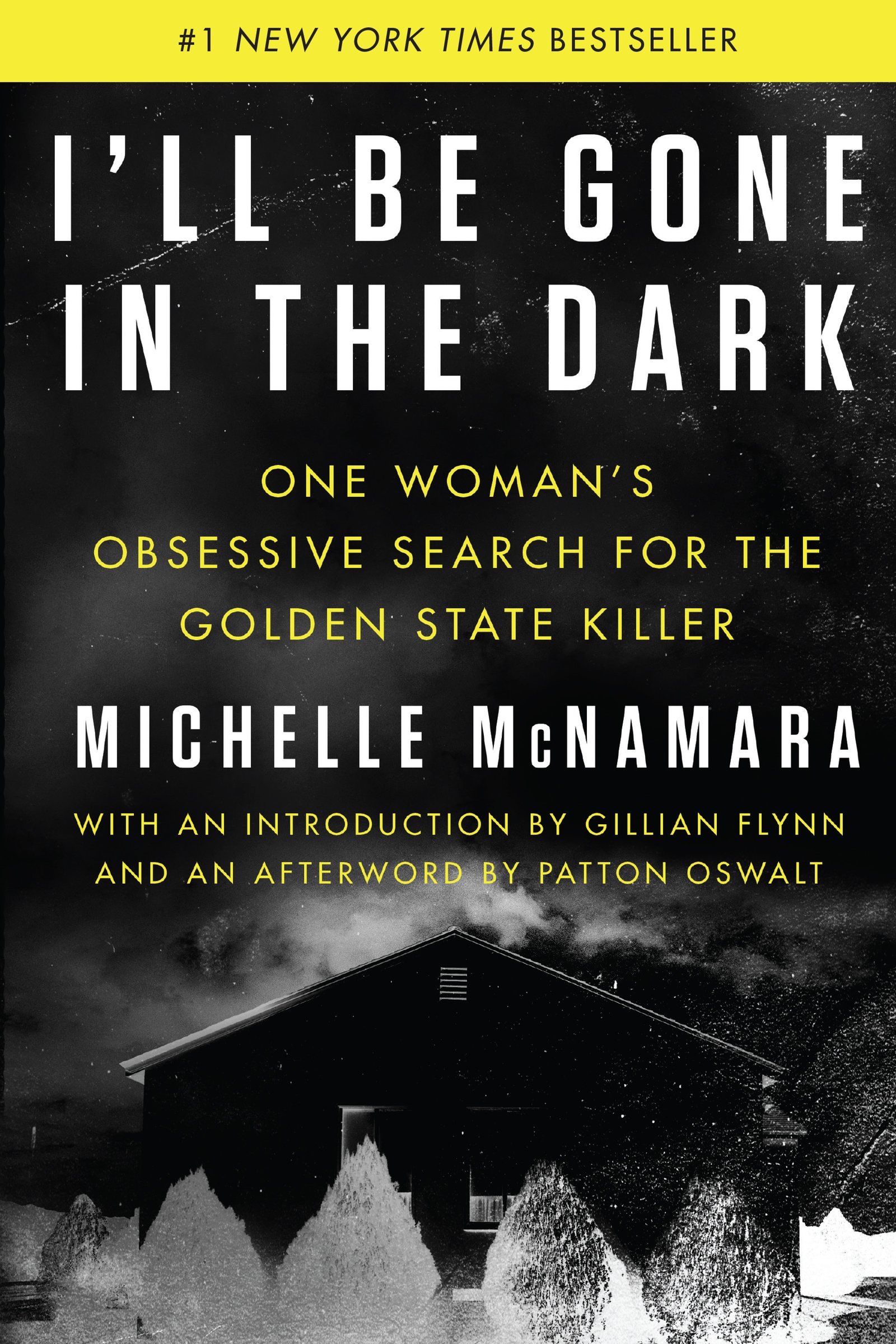
True crime is a genre that tells a story of a real life crime in a way that makes the audience wanting more, whether it’s through a work of writing, television, movie, podcast, or any other production. The genre of true crime has evolved over the years in many ways and instances. The book I’ll Be Gone in the Dark tells the story of a writer, Michelle McNamara’s, obsession with a certain rapist and killer she dubbed “the Golden State Killer,” and the telling of the murders and the investigation behind this murderer. McNamara makes her story of this murderer intriguing to readers by setting up the book like a puzzle and she continues to fill in the pieces with every chapter. McNamara uses many other devices and techniques to make the story she is telling informative but also fascinating, and in doing so she shows how true crime has changed and grown over the years. This novel, along with other new productions in the true crime genre, dives into how the true crime genre has evolved and all the new advancements we’ve made in the last decade alone.
The book I’ll Be Gone in the Dark is just one example of a production that has come from the true crime genre, but it is also one of the most influential ones. It tells the true story of the “golden state killer,” who killed up to at least 13 people and raped over 50 women, and how he got away with doing so for such a long time. McNamara includes an abundance of research that she did herself and research done by others as well in her story to make it credible, and included her own personal narrative to the book as well. McNamara sets up the book in a way to make it all flow together and make the story cohesively told. While telling the story of the “golden state killer,” she makes the readers sympathize for the victims and their families due to the way she tells their story, making sure she includes information that will draw out the emotion in readers. This is different from the book In Cold Blood by Truman Capote, because in that “nonfiction novel,” Capote sympathizes with one of the killers instead of the victims. McNamara and Capote’s writing styles are vastly different, and after reading both books you can see just how much writing has changed over the years, given that In Cold Blood was published in 1965 and I’ll Be Gone in the Dark was just recently published, following McNamara’s sudden death in 2016. Not only has the writing style evolved over the years, but true crime as a genre in general has evolved over the years as well.
When true crime started out, it was more so a type of television that was browsed upon at night and didn’t really get much recognition. People were intrigued, but they didn’t have the sense of “addiction” to it as some may have today. When it first started out, it was to cover cases and to tell the stories of the unsolved mysteries behind the investigations. This has now turned into true crime productions being the telling of unsolved and solved cases. This has changed due to the new advancements we have today to solve crimes. An example of this, which is shown in I’ll Be Gone in the Dark, is how we now have DNA testing. DNA testing is an advancement that can link the killer to the victim, which was the case for the investigation and story told by McNamara. It’s improvements like these that have made true crime evolve to become more related to solving crimes instead of just publicizing them. Advancements in the process behind solving these cases isn’t the only thing that’s evolved in the true crime genre, so has the admiration.
The true crime genre started out as a fascination with people, which it still is today, but it has come to be more than just a fascination. Productions made in the true crime genre today have up to millions of viewers and the fan bases for these productions have turned into a phenomena. These productions have even gone on to get nominations for academy awards, and in some cases, have won. An example of this is the mini-series that came out regarding the O.J. Simpson trial, O.J. vs. The People, and the media and viewers raved about it. Everyone was instantly drawn to it and they went on to win an Emmy and Golden Globe for “Outstanding Limited and/or Mini-series.” This type of recognition has gone to show just how popular true crime as a genre has become and why people are so drawn to it. So, when I’ll Be Gone in the Dark came out, it was at the time when true crime was at its peak and many people were instantly attracted to reading this book. Even though McNamara is not alive to see how well her book is doing, she continues to receive recognition for her hard work revolving around this case and has become an inspiration to many other writers and investigators since the publication of her book.
I’ll Be Gone in the Dark has become a huge asset to the true crime genre and has helped to make this case more well-known than it already was to give a sense of closure and relief for the families, friends, investigators, and other wrongfully accused suspects related to this case. With the fascination around true crime nowadays, it has opened up to the discovery of more advancements to solving cases, and this will only continue to grow as more true crime productions become made and publicized.
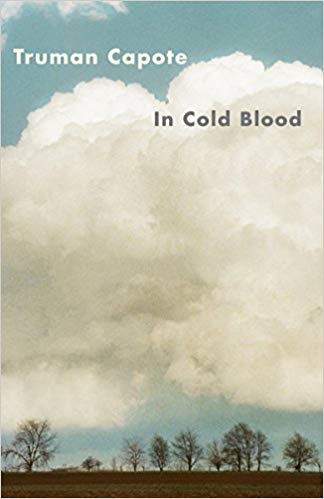
In Cold Blood is a thrilling true crime non-fiction novel discussing the actions of two criminals turned murderers, Dick and Perry, and the murders of the four victims from a sweet family, the Clutter’s, in a small town in Kansas. This novel not only tells the story of these murders, but it gives a further look into the killers and the victims background to broaden the story. Capote gives insight into all aspects of this case, including the build-up to the night of the murders, the time of the murders, the aftermath, and the hunt and trial of Dick and Perry. This compelling novel tells an in-depth version of this real-life case with shocking twists along the way.
Capote tells this story in a unique way by jumping back and forth between different perspectives and plots, but keeping on track with the timeline of it all. In doing this, Capote makes this non-fiction novel more enticing and keeps readers wanting more since they are being dealt all information from each perspective. What makes this true crime non-fiction novel different from others is that Capote’s main purpose of writing this story is not to inform the readers who killed the Clutter’s, that is instantly revealed, but his purpose is more to tell a story concerning the whole case and the people involved. He includes personal experiences, specific information from his own research during this time, and many other sides to this story to retell this story in a unique fashion.
This non-fiction novel overall did a good job analyzing the aspects that went into this case and made it so the story flowed nicely together. While reading it, I was constantly putting the pieces together and along with Capote and the detectives, I was also somewhat solving the case for myself. The only reason I could do so is because of Capote’s writing and strategies he uses throughout the novel. I think it differs from other productions in the true-crime genre because it told a story with dialogue while also describing a real case. The way Capote wrote this novel made it intriguing and fascinating while also informing the audience all at the same time. If you are someone who enjoys true crime as a genre and are looking for a book that is different and unique from other productions in the genre, In Cold Blood is the book for you.
Work Cited
Capote, Truman. In Cold Blood: A True Account of a Multiple Murder and Its Consequences. New York: Vintage Books, 1994, Print.


 Abby's Blog